
USDA Moringa Powder: What It Is, How to Use It, Benefits, Nutrition & Safety
Introduction
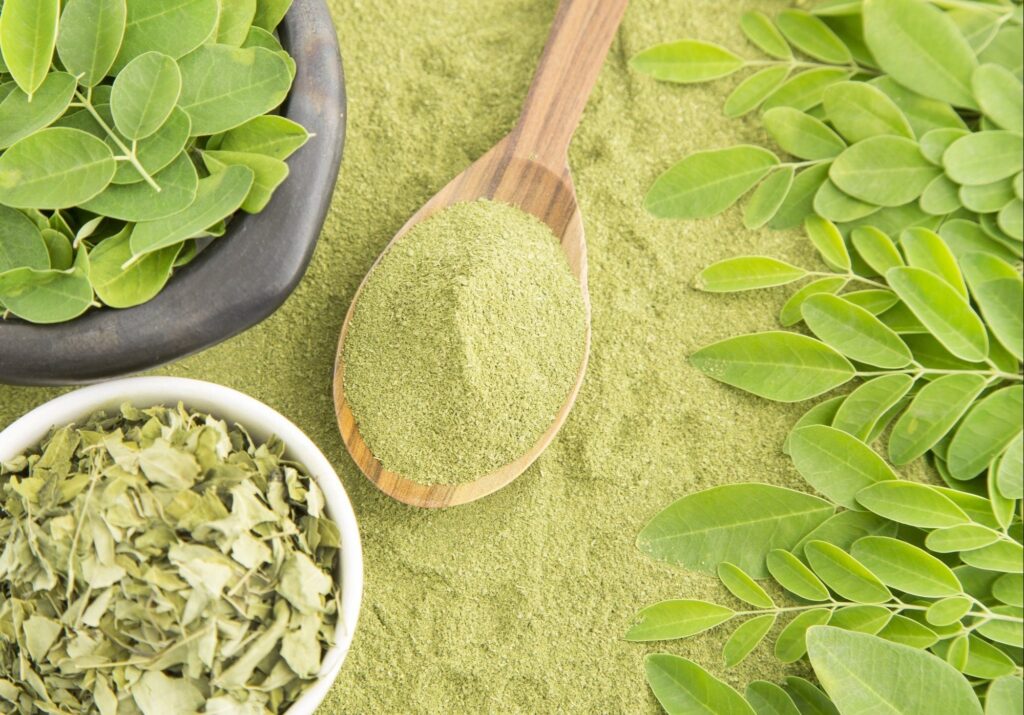
Moringa powder is a green plant powder made by drying and grinding the leaves of Moringa oleifera, commonly known as the drumstick tree. It has been used as a food and traditional herbal ingredient for generations, particularly in South Asia and Africa. Today, moringa leaf powder is commonly added to smoothies, juices, soups, sauces, yogurt, oatmeal, and other foods.
If you are searching for “USDA Moringa Powder,” it is important to understand that “moringa” and “USDA organic” are not the same thing. USDA organic is a regulated labeling claim. A product can use the USDA Organic label only when it meets applicable USDA organic requirements and certification rules. Always verify the certification and labeling of the specific product.
What Is Moringa Powder?
Moringa powder is generally made from the leaves of the Moringa oleifera tree. The leaves are harvested, cleaned, dried, and finely ground into a green powder.
Moringa leaves contain a variety of naturally occurring nutrients and plant compounds. Scientific reviews have identified compounds including flavonoids, phenolic compounds, glucosinolates, and other phytochemicals.
Because the powder is concentrated compared with fresh leaves, only a small amount is normally needed when adding it to food.
Moringa powder has an earthy, slightly bitter and grassy flavor. Some people enjoy its natural taste, while others prefer mixing it with fruit, yogurt, smoothies, or other ingredients.
What Does Moringa Powder Do?
Moringa powder is best viewed as a nutrient-rich food ingredient, rather than a medicine.
Research has investigated moringa for antioxidant activity and other biological effects. However, much of the research is based on laboratory and animal studies, while human clinical research remains limited. More high-quality clinical research is needed before making strong medical claims about moringa.
Some human studies have investigated powdered moringa leaves and reported potential effects on blood glucose and blood lipid measurements. These findings are interesting, but they should not be interpreted as proof that moringa treats diabetes, high cholesterol, or another medical condition.
Potential Benefits of Moringa Powder
1. Provides Plant-Based Nutrients
Moringa leaves contain a range of nutrients and naturally occurring plant compounds.
Adding moringa powder to meals can be one way to increase the variety of plant foods in your diet. However, the nutritional value of a particular powder depends on the source, processing method, serving size, and product quality.
For this reason, it is better to think of moringa as one part of a balanced diet, rather than a replacement for vegetables, fruits, legumes, or other nutritious foods.
2. Contains Antioxidant Compounds
Moringa leaves contain several phytochemicals, including flavonoids and phenolic compounds that have demonstrated antioxidant activity in research.
Antioxidants are compounds that can help protect cells from oxidative stress. Moringa’s antioxidant properties have been studied extensively in laboratory research. However, laboratory antioxidant activity does not automatically mean that consuming moringa will prevent or treat a particular disease.
3. May Support a Nutrient-Diverse Diet
One practical benefit of moringa powder is convenience.
Fresh leafy vegetables can spoil quickly, while dried powder can be stored for longer when properly packaged. This makes moringa powder an easy ingredient to add to everyday meals.
A small serving can be mixed into a smoothie, yogurt, soup, or other food without significantly changing the overall preparation.
4. Traditionally Used as a Food
Moringa leaves and immature pods have traditionally been used as food in different regions. The leaves can be cooked as vegetables, while dried leaves can be ground into powder.
This long history of food use is one reason moringa has become popular as a modern wellness ingredient.
5. Research Into Blood Sugar and Lipid Metabolism
Researchers have studied moringa leaf preparations for possible effects on blood glucose and blood lipid levels.
Some small human studies have reported changes in these measurements after consuming moringa leaf powder. However, the available clinical evidence is not sufficient to treat moringa as a substitute for prescribed medication or professional medical care.
Anyone taking medication for diabetes, cholesterol, blood pressure, or another medical condition should speak with a healthcare professional before using concentrated herbal supplements regularly.
How to Use Moringa Powder
One of the easiest things about moringa powder is that it can be added to many foods.
1. Moringa Smoothie
Add a small amount of moringa powder to banana, apple, mango, spinach, yogurt, milk or plant-based milk, and water. Blend until smooth. Fruit can help balance moringa’s naturally earthy and slightly bitter flavor.
2. Moringa With Water
Moringa powder can simply be mixed into water. Start with a small amount and adjust according to the product’s serving instructions and your taste preference.
3. Moringa Tea
Moringa powder can be mixed with warm water to make a simple herbal drink. Avoid extremely hot water if you are trying to preserve the fresh flavor and some heat-sensitive nutrients.
4. Add It to Yogurt
Mix moringa powder into plain or flavored yogurt. You can add fruit, honey, nuts, or seeds for additional flavor and texture.
5. Add It to Soups
A small amount can be stirred into soups, curries, or vegetable dishes. For best results, add the powder toward the end of cooking rather than cooking it for a very long time.
6. Add It to Oatmeal
Moringa can be mixed into oatmeal along with banana, berries, cinnamon, nuts, or seeds. This is an easy way to incorporate it into a breakfast routine.
How Much Moringa Powder Should You Take?
There is no single universally established daily dose for moringa powder.
Different products have different concentrations, processing methods, and serving sizes. Therefore, consumers should follow the serving instructions on the specific product label.
If you are new to moringa powder, starting with a small amount may make it easier to assess how you tolerate its taste and digestion.
Do not assume that taking a larger quantity will provide greater benefits.
Research has used very different amounts and preparations of Moringa oleifera, making it difficult to translate individual studies into one standard consumer dose.
When Is the Best Time to Take Moringa Powder?
There is no strong scientific evidence showing that morning, afternoon, or evening is universally the “best” time to consume moringa powder.
Many people prefer using it in the morning mixed into a smoothie, juice, or breakfast. It can also be added during lunch to soup, vegetables, or another meal. The most important factor is choosing a method that fits comfortably into your regular eating routine.
Moringa Powder vs. Fresh Moringa Leaves
Fresh moringa leaves and moringa powder come from the same plant, but they are used differently.
Fresh leaves can be cooked as vegetables, have a fresher flavor, contain a high water content, and need refrigeration with a shorter shelf life.
Moringa powder is convenient, has a longer shelf life when properly stored, can easily be added to drinks and foods, and has a stronger, concentrated flavor.
Powder is particularly convenient for people who do not have regular access to fresh moringa leaves.
Is Moringa Powder Safe?
Moringa leaf preparations have been studied in humans and animals, and some reviews report a generally favorable safety profile at commonly studied amounts. However, the research base is still limited, and safety can depend on the part of the plant, preparation, dose, and product quality.
It is important to purchase moringa from a reliable source with appropriate quality controls.
Consumers should always check the product label, lot information, storage instructions, and any applicable recall notices. Powdered botanical products should be handled and stored carefully to reduce the risk of contamination.
Who Should Be Careful With Moringa?
People who are pregnant or breastfeeding, people with medical conditions, and people taking prescription medications should speak with a healthcare professional before using moringa as a concentrated supplement.
This is particularly important when someone is taking medication that affects blood sugar, blood pressure, or other metabolic functions.
Moringa should not be used as a replacement for prescribed treatment.
If you experience an unusual reaction after consuming moringa, stop using the product and seek appropriate medical advice.
How to Store Moringa Powder
Proper storage helps maintain the quality of powdered moringa.
Keep the powder in a tightly sealed container, away from direct sunlight and moisture, in a cool, dry place, and away from strong odors.
Always use a clean, dry spoon when measuring the powder.
If the product develops an unusual smell, moisture, mold, discoloration, or other signs of spoilage, do not consume it.
What Does “USDA Organic Moringa Powder” Mean?
This point is important for consumers and sellers.
Moringa powder is not automatically USDA Organic simply because it is natural, plant-based, or made from moringa leaves.
USDA organic is a regulated claim. USDA states that organic products must be produced and handled according to its organic standards, and applicable operations generally need certification by a USDA-accredited certifying agent.
For products labeled “Organic” in the U.S. market, specific requirements apply. Products in the USDA “Organic” category generally require at least 95% certified organic ingredients, subject to the applicable rules.
Therefore, a seller should not describe conventional moringa powder as “USDA Organic” unless the product actually meets the applicable USDA organic requirements and has the required certification.
How to Choose Good Moringa Powder
When purchasing moringa powder, look for clear ingredient information, reliable manufacturing, batch or lot information, proper packaging, appropriate quality testing, and accurate product claims.
Good packaging should protect the powder from moisture, contamination, and excessive exposure to light. For powdered botanicals, appropriate testing can provide additional confidence regarding identity and microbiological quality.
Avoid products making unrealistic claims such as promising to cure multiple diseases or replace medication.
Simple Ways to Add Moringa to Your Daily Diet
You do not need complicated recipes to use moringa powder.
Morning: Moringa + banana + yogurt + water smoothie.
Breakfast: Moringa mixed into oatmeal.
Lunch: Moringa added to soup or vegetable dishes.
Snack: Moringa mixed into yogurt with fruit.
Evening: A small amount added to a homemade savory sauce or soup.
The goal is not to consume large amounts. Instead, moringa can be used as a small plant-based addition to an already balanced diet.
Frequently Asked Questions
Is moringa powder the same as moringa leaf powder?
Usually, products sold as moringa powder are made from dried moringa leaves, but consumers should check the ingredient statement because products can differ.
Can I drink moringa powder every day?
Many people use moringa as a regular food ingredient, but there is no universal daily dosage for everyone. Follow the product label and consider your individual health circumstances.
Can moringa powder help with weight loss?
Moringa should not be presented as a proven weight-loss treatment. Maintaining a healthy weight depends primarily on overall diet, physical activity, sleep, and other lifestyle factors.
Can moringa replace vegetables?
No. Moringa powder can complement a varied diet, but it should not replace a wide variety of vegetables, fruits, whole grains, legumes, nuts, and other nutritious foods.
Does moringa powder have a strong taste?
It generally has an earthy, grassy, slightly bitter taste. Mixing it with fruit, yogurt, or smoothies can make the flavor easier to enjoy.
Is USDA Organic the same as natural?
No. “Organic” is a regulated labeling term under USDA rules; “natural” does not mean the same thing as USDA certified organic.
Final Thoughts
Moringa powder is a convenient way to incorporate Moringa oleifera leaves into everyday foods and drinks. It contains a variety of naturally occurring nutrients and phytochemicals and has a long history of use as a food.
Its potential antioxidant and metabolic effects have been studied, but research in humans is still developing. Therefore, it is best to think of moringa powder as a nutritious food ingredient, not a cure or replacement for medical treatment.
For the best experience, choose a reputable product, follow its serving instructions, store it properly, and incorporate it into a varied and balanced diet.
If you are specifically looking for USDA Organic Moringa Powder, verify that the product is actually certified and meets USDA organic labeling requirements rather than relying only on the words “natural” or “pure”.
Disclaimer
This article is for general educational purposes and is not medical advice. Moringa should not be used to diagnose, treat, cure, or prevent disease. Consult a qualified healthcare professional for individual medical or dietary advice.
Sources & Further Reading
- USDA Agricultural Marketing Service – Organic Standards and labeling requirements: https://www.ams.usda.gov/
- National Library of Medicine / PubMed – Reviews of Moringa oleifera research: https://pubmed.ncbi.nlm.nih.gov/
- S. FDA – Food safety and recall information: https://www.fda.gov/food